Is Rose Gold Still in Style?
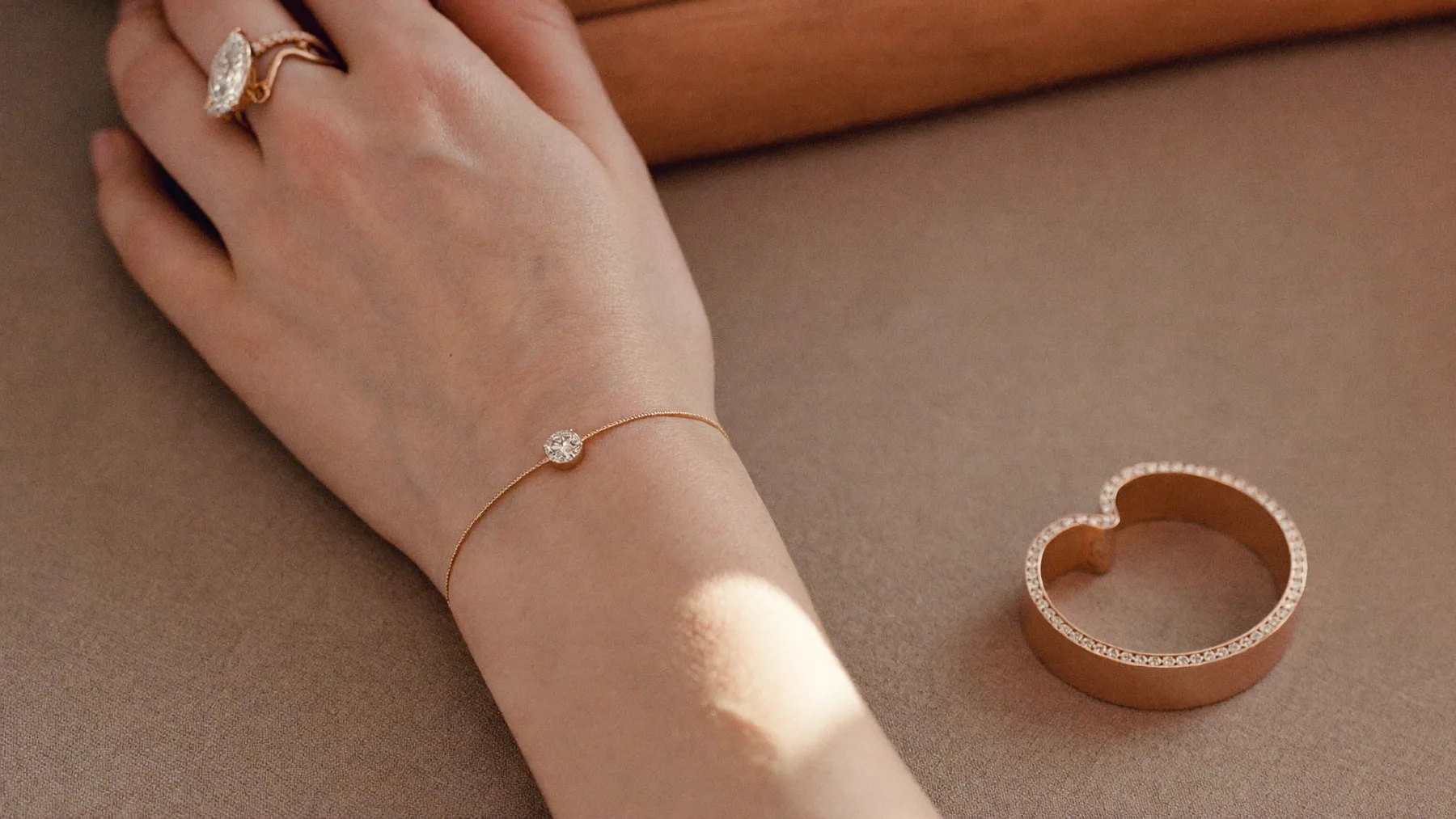
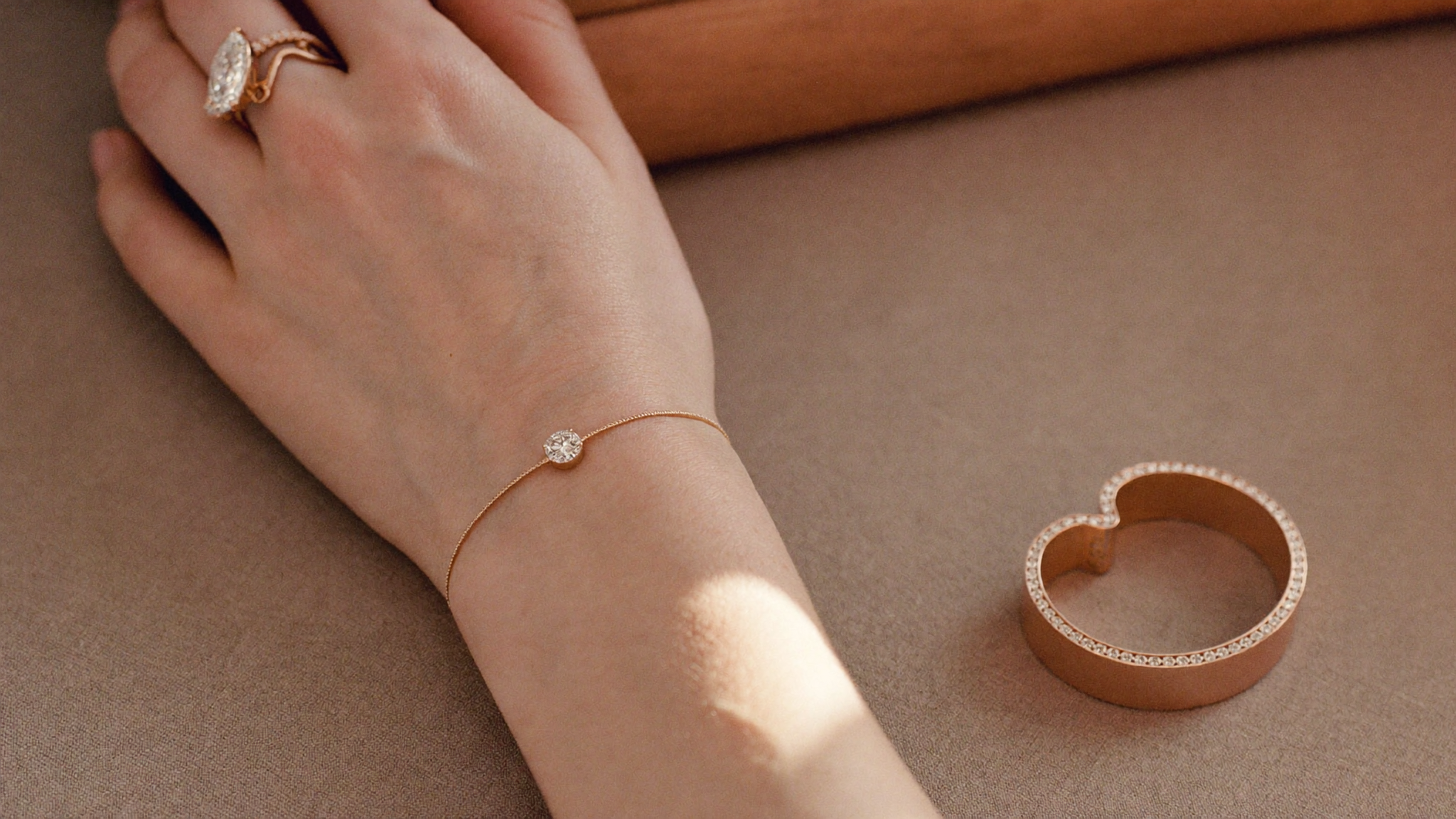
Rose gold spent a decade as the metal everyone owned and then a few years as the metal nobody mentioned. So is rose gold still in style in 2026? The honest answer is that it never left the workshop, it left the trend reports, and those are two different things.
This matters more than usual this season, because the metal you choose is now a price decision as much as a style one. Gold is trading near historic highs, white metals are having a loud moment, and rose gold sits quietly in between: less photographed than yellow, warmer than white, and consistently the most flattering of the three against a wider range of skin tones.
Three numbers frame the question. Citing The Knot's 2026 Real Weddings study, National Jeweler reported that 48% of couples now choose a white metal engagement ring, 35% white gold and 13% platinum, against 39% in yellow gold. The World Gold Council put global gold jewellery demand at 313 tonnes in the third quarter of 2026, down 17% year on year even as its value held at US$43bn. And in its holiday preview, JCK cited a McKinsey survey finding that 43% of consumers plan to spend less on jewelry this holiday, alongside Google Trends data showing US searches for "silver jewelry" up about a third year on year.
Is Rose Gold Still in Style in 2026?
Rose gold is still in style in 2026, but it is no longer the default. It has moved from trend metal to classic metal, which means fewer magazine covers and steadier demand. The data above shows white metals leading and yellow gold strong; rose gold is the third choice rather than the first, and that is precisely what makes it feel personal again rather than ubiquitous.
The wider gold market explains some of the quiet. Louise Street, Senior Markets Analyst at the World Gold Council, summarised the quarter plainly: "The third quarter was a mixed bag for gold demand." When metal is expensive and buyers are cautious, people reach for what they are certain about. The interesting consequence is that the person wearing rose gold in 2026 chose it deliberately, which is a very different signal from wearing it in 2016 because everything in the case was rose gold.
Rose Gold vs Yellow and White Gold
Rose gold is not a different metal from yellow gold. It is the same fine gold, alloyed with a higher proportion of copper, which is what produces the warm pink cast. An 18kt rose gold piece is 75% pure gold by weight exactly as 18kt yellow gold is, with most of the remaining quarter being copper rather than silver and zinc.
| Metal | How it reads | Durability and upkeep | Pairs best with |
|---|---|---|---|
| Rose gold | Warm, pink, softer contrast against most skin tones | Copper content makes lower karats notably hard wearing. Never needs replating | Warm diamonds, morganite, brown and camel tones, other golds |
| Yellow gold | Classic and high contrast, especially on deeper skin tones | Softer at higher karats. Scratches show as a patina rather than damage | Everything. The safest single metal to build a collection around |
| White gold | Cool and bright, makes a colourless diamond look whiter still | Usually rhodium plated. Expect replating every 1 to 3 years with daily wear | D to F colour diamonds, platinum, silver-toned watches |
One practical advantage rarely mentioned: rose gold is the only one of the three that needs no replating. A white gold ring is a maintenance commitment. A rose gold ring is finished the day it leaves the bench and stays that colour for life, which over a decade is both a cost saving and one less appointment.
Who Rose Gold Actually Suits
Rose gold flatters cool and neutral undertones most reliably, because the pink in the alloy echoes the pink in the skin instead of competing with it. That is the honest version of the advice. The marketing version, that rose gold suits everyone, is not quite true, and knowing which camp you fall into saves a return.
- Cool undertones. If the veins at your wrist read blue and silver suits you, rose gold is likely your warmest flattering metal and a better choice than yellow.
- Neutral undertones. Rose gold reads as a soft accent rather than a statement. This is where mixing it with yellow or white works most easily.
- Warm or olive undertones. Yellow gold usually wins outright, but rose gold in a lower karat, worn in a smaller scale such as a stud or a fine chain, still reads beautifully.
- Deeper skin tones. High contrast metals carry best. Choose rose gold with a bolder silhouette or a higher diamond count so the piece reads from a distance.
- Anyone wearing an existing collection. Metal matching is no longer a rule. Our guide to mixed metal jewelry covers how to let rose gold sit beside yellow without either one looking accidental.
How to Wear Rose Gold This Holiday Season
Start with earrings rather than a ring, because the ear is where a warm metal does the most work against the face. Every Roomy's design is cut in rose gold as well as yellow and white, in solid 10kt, 14kt and 18kt, set with IGI certified lab-grown diamonds, and the rose gold option carries no price premium over yellow.
The season is also working in rose gold's favour. National Jeweler named layered looks and personalization the defining diamond trends of the holiday season, and a layered look is exactly where a third metal stops being a problem and becomes the reason the stack is interesting.
For a first piece, the Blossom Grace Mismatched Diamond Earrings (from $350) are deliberately asymmetric, which keeps rose gold from reading as a matched set from another decade. The Three Stone Diamond Stud Earrings (from $450) are the opposite argument: quiet, structured, and the easiest way to live with a warm metal daily. For hoops, the Velmira Diamond Hoop Earrings (from $550) cluster their stones along a botanical curve, while the Serena Wave Diamond Hoop Earrings (from $600) keep a single open line of gold moving.
Scale up from there. The Velmira Diamond Ear Cuff (from $1,800) is the piece to wear when the room is already full of white metal, and the Heart Diamond Pendant (from $850) in rose gold reads as sentiment rather than costume, which is the whole point in December. If you are buying a pendant as a gift, read our necklace length guide first: the chain length decides whether the piece is worn weekly or kept in the box.
Frequently Asked Questions
Is rose gold still in style in 2026?
Is rose gold more durable than yellow gold?
Does rose gold suit every skin tone?
Can you mix rose gold with yellow and white gold?
Rose gold, cut the same way as every other metal we work
Solid 10kt, 14kt and 18kt gold set with IGI certified lab-grown diamonds, in rose, yellow and white at the same price.
Shop the Collection